
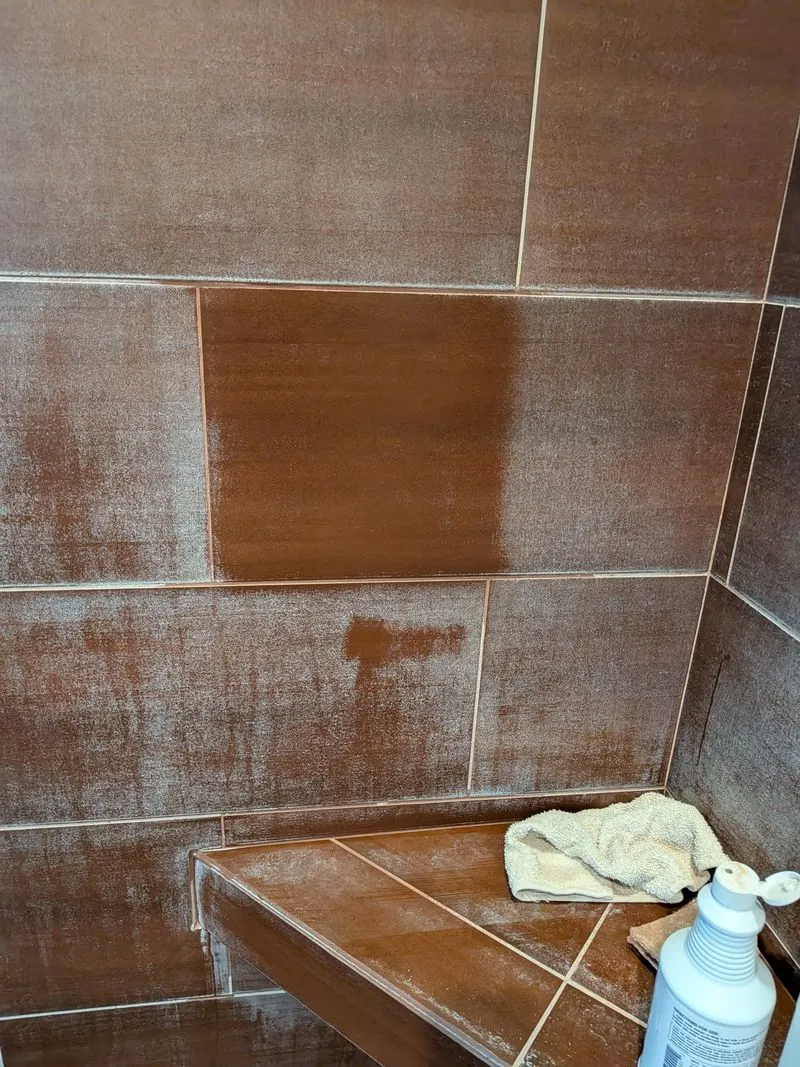
How often should tile and grout be cleaned and sealed? What drives the schedule, and the signs your surfaces are ready.
How often should you have tile and grout professionally cleaned?
And how often should grout be resealed?
There is no single schedule that works for every home.
The right frequency depends on the type of tile and grout, how heavily the area is used, exposure to moisture, grease and dirt, cleaning habits, ventilation and the condition of any existing sealer.
A busy family shower may need professional attention sooner than a guest bathroom.
Kitchen grout exposed to grease, spills and foot traffic may require different care than a tiled wall.
And a Pacific Northwest entryway that sees months of wet shoes and muddy paws can experience very different conditions than a lightly used room.
At Everstone Surface Solutions, we recommend evaluating the condition and performance of the surface rather than relying on an arbitrary calendar.
Here is what homeowners should know.
How Often Should Tile and Grout Be Professionally Cleaned?
For many homes, professional tile and grout cleaning is needed when routine maintenance no longer produces the results it used to.
That may mean:
Grout stays dark after cleaning
Tile looks dull or cloudy
Shower grout develops persistent buildup
Kitchen grout becomes greasy or stained
Floor grout is noticeably darker than the surrounding tile
The surface becomes increasingly difficult to maintain
Years have passed since the last professional cleaning
Some heavily used surfaces may need professional cleaning more frequently than lightly used areas.
The best indicator is often not the number of months that have passed.
It is how the surface looks and performs.
What Makes Tile and Grout Get Dirty Faster?
Several factors can shorten the time between professional cleanings.
Heavy Use
A primary bathroom used by several people every day will typically experience more buildup than a rarely used guest bathroom.
Moisture
Showers and bathroom floors are repeatedly exposed to water, soap and personal-care products.
Persistent moisture can also make maintenance more challenging.
Poor Ventilation
Bathrooms that stay damp for long periods may develop buildup more quickly.
Good ventilation helps surfaces dry between uses.
Grease and Food
Kitchen tile and grout can accumulate cooking oils, food residue and spills.
Grout around a stove or backsplash may require different care than a bathroom floor.
Pets and Foot Traffic
Pets, children and busy households introduce additional dirt.
Entryways, kitchens and mudrooms can become heavily contaminated from everyday traffic.
Pacific Northwest Weather
Homes throughout Portland, Vancouver and the surrounding Pacific Northwest experience months of wet weather.
Wet shoes, muddy pets and moisture entering the home can create additional wear on tiled floors and porous grout.
Cleaning Habits
Regular, surface-appropriate maintenance can help prevent heavy buildup.
Waiting until grout is heavily stained generally makes restoration more difficult.
How Often Should Shower Tile and Grout Be Professionally Cleaned?
Showers tend to require closer attention because they experience repeated exposure to:
Water
Soap
Shampoo
Conditioner
Body oils
Minerals
Personal-care products
Everyday contaminants
A heavily used shower may need professional cleaning sooner than other tiled areas.
Watch for signs such as:
Grout becoming darker
Soap residue that no longer wipes away easily
Mineral buildup
Persistent discoloration
Tile losing its original appearance
Routine cleaning producing less improvement
If those signs are developing, it may be time for professional evaluation rather than waiting for an arbitrary anniversary date.
How Often Should Kitchen Tile and Grout Be Professionally Cleaned?
Kitchen surfaces experience a different type of contamination.
Common problems include:
Grease
Food oils
Sauces
Coffee
Spills
Pet traffic
Shoes
Dirt
Mop residue
Kitchen grout can gradually become darker even when the tile still looks relatively clean.
Backsplash grout near cooking areas can also accumulate grease.
If kitchen grout stays dirty after routine cleaning or the grout color has changed significantly, professional restoration may be appropriate.
How Often Should Grout Be Sealed?
There is no universal resealing schedule.
Sealer performance depends on:
Type of grout
Type of sealer
Surface preparation
Amount of traffic
Frequency of cleaning
Cleaning products used
Exposure to water
Exposure to grease and oils
Type of room
Age and condition of the installation
Some surfaces experience much more wear than others.
Rather than automatically applying new sealer every year or every few years, the better approach is to evaluate whether the existing protection is still performing as intended.
How Do You Know When Grout Needs to Be Resealed?
There are several signs that grout may need professional evaluation.
It Absorbs Moisture Quickly
If porous grout darkens immediately and remains dark when exposed to moisture, the existing protective treatment may no longer be performing as effectively.
It Stains More Easily
Grout that begins absorbing spills, oils or dirt more readily may need renewed protection.
It Has Become Harder to Clean
When routine cleaning becomes increasingly difficult, contamination may be penetrating more deeply into the surface.
The Existing Sealer Is Old or Unknown
If you purchased a home and have no idea when the grout was last sealed, professional evaluation can help determine its condition.
The Surface Was Recently Professionally Restored
After appropriate porous grout has been professionally cleaned and restored, sealing can help protect the newly cleaned surface.
Should Grout Be Cleaned Every Time It Is Sealed?
Yes.
Grout should be thoroughly cleaned and appropriately prepared before a new protective treatment is applied.
You do not want to seal over years of dirt, grease, soap residue or contamination.
That is why Everstone treats cleaning and sealing as connected parts of one process.
Clean first. Protect second.
Can You Seal Grout Too Often?
More sealer is not automatically better.
The correct application depends on:
Type of grout
Existing sealer
Product chemistry
Surface condition
Previous applications
Applying unnecessary layers or incompatible products can create problems.
That is another reason professional evaluation is useful.
Rather than following a generic schedule, the surface should be assessed before a new treatment is applied.
What Happens If You Never Seal Grout?
Not every grout product requires the same treatment.
But traditional porous grout without appropriate protection can absorb moisture, oils, spills and other contaminants more readily.
Over time, that may contribute to:
Darkening
Staining
Uneven appearance
More difficult cleaning
Faster accumulation of residue
Professional sealing can help reduce penetration and make routine maintenance easier.
It does not make grout maintenance-free.
Does Sealing Mean You Need Less Professional Cleaning?
Potentially, yes, but sealing does not eliminate the need for cleaning.
A properly protected surface may be easier to maintain because contaminants are less likely to penetrate deeply into porous grout.
But the surface still experiences:
Dirt
Water
Soap
Grease
Oils
Food
Foot traffic
Routine cleaning remains important.
Professional cleaning may still be needed when buildup accumulates beyond what household maintenance can effectively address.
How Everstone Approaches Tile and Grout Maintenance
At Everstone Surface Solutions, we do not believe in forcing every home into the same maintenance schedule.
We evaluate the actual surface.
Our process is built around:
Clean. Restore. Protect.
Step 1: Evaluate the Surface
We identify the tile, grout, stone or other hard surface and assess its condition.
We look for:
Dirt
Staining
Soap residue
Grease
Oils
Minerals
Existing sealer
Cracks
Deterioration
Loose tile
Other issues that may affect treatment
Step 2: Professionally Clean the Surface
Everstone uses proprietary commercial-grade cleaning products developed for professional hard-surface restoration.
Our cleaners and sealers were developed with professional chemistry expertise.
The cleaning process is selected based on the material and the type of contamination.
Step 3: Use High-Temperature Vapor When Appropriate
Our professional vapor equipment produces temperatures reaching up to 330°F at the equipment.
High-temperature vapor helps our technicians loosen accumulated residue and clean grout lines, textured surfaces and other difficult areas.
It is used as part of a professional cleaning and sanitizing process.
Step 4: Detail the Tile and Grout
Professional restoration requires attention to grout lines, edges, corners and problem areas where buildup tends to accumulate.
Step 5: Protect Appropriate Surfaces
After appropriate porous grout, tile or stone has been professionally cleaned and prepared, Everstone can apply our proprietary commercial-grade sealer.
Everstone backs that sealer with a 5-year limited warranty against sealer failure — peeling, flaking or excessively rapid wear. Full terms are on our warranty page.
The sealer helps reduce future penetration of moisture, oils, stains and other contaminants.
That can make routine maintenance easier and help extend the useful life of the restored surface.
How Often Should You Have a Professional Evaluate Tile and Grout?
If your surfaces still look good and routine maintenance is working, there may be no need to schedule service simply because a certain number of months have passed.
Consider professional evaluation when:
Grout no longer returns to its original appearance
Tile becomes dull despite cleaning
Grout absorbs moisture or spills quickly
Stains return soon after cleaning
Shower buildup becomes difficult to remove
Kitchen grease has accumulated in grout lines
You are unsure whether an existing sealer is still effective
You are considering replacing tile because it looks old
The condition of the surface should drive the decision.
How Can You Extend the Time Between Professional Cleanings?
Good routine maintenance makes a difference.
Clean Spills Promptly
Do not allow grease, oils, coffee, sauces and other liquids to remain on grout longer than necessary.
Sweep or Vacuum Before Mopping
Removing loose dirt first helps prevent it from settling into grout lines.
Use Clean Mop Water
Dirty cleaning water can redistribute contamination.
Use Surface-Appropriate Products
Avoid aggressive cleaners that may damage grout, natural stone or protective treatments.
Keep Showers Ventilated
Run bathroom exhaust fans during and after showering to help manage moisture.
Let Shower Surfaces Dry
Allow airflow when practical and remove excess water with a squeegee.
Maintain Protective Treatments
Have porous grout or natural stone evaluated when the existing sealer appears to be losing effectiveness.
Does Professional Cleaning Damage Grout?
Proper professional cleaning should take the condition of the grout and surrounding material into account.
That is why surface evaluation comes first.
At Everstone, we do not assume maximum heat, pressure or chemical strength is appropriate for every surface.
The material, age, condition and contamination all influence the treatment.
Can Old Tile and Grout Be Restored Instead of Replaced?
Often, yes.
If the tile is structurally sound and the grout is primarily dirty, stained or unprotected, professional restoration may significantly improve the surface.
Replacement may be more appropriate when:
Tile is loose or cracked
Grout is crumbling
Water intrusion is present
The substrate is damaged
The installation has failed
Before replacing an entire tile installation, determine whether the problem is contamination or actual physical failure.
Tile and Grout Maintenance in Pacific Northwest Homes
Pacific Northwest homes experience a lot of moisture and everyday wear.
Showers see constant water.
Kitchen floors see grease and spills.
Entryways see wet shoes and muddy pets.
Everstone Surface Solutions brings 10+ years of Pacific Northwest experience on every crew, servicing residential and commercial hard surfaces throughout the Portland and Vancouver metro area.
Our professional process combines:
Surface identification and evaluation
High-temperature vapor reaching up to 330°F when appropriate
Proprietary commercial-grade cleaners and sealers
Products developed with professional chemistry expertise
Detailed tile and grout restoration
10+ years of Pacific Northwest experience on every crew
Our goal is not to put every customer on an unnecessary service schedule.
It is to help you understand what your surface needs and when it needs it.
Do Not Wait for a Calendar to Tell You When Your Tile Needs Attention
Tile and grout do not know how many months have passed.
They respond to how they are used.
A busy shower.
A grease-heavy kitchen.
A rainy Pacific Northwest entryway.
A home with pets and kids.
Each surface has different maintenance needs.
Everstone Surface Solutions combines professional surface evaluation, high-temperature vapor reaching up to 330°F when appropriate, proprietary commercial-grade cleaners and sealers, products developed with professional chemistry expertise and 10+ years of Pacific Northwest experience on every crew to clean, restore and protect hard surfaces.
If your grout is becoming harder to clean, your tile is losing its appearance or you are unsure whether your existing sealer is still protecting the surface, we can help determine what it actually needs.
Restore. Protect. Enjoy.
Contact Everstone Surface Solutions to request a free estimate for professional tile and grout cleaning, restoration and sealing in the Portland and Vancouver metro area.*